Fishing is a vital food system in Hawaii. Hawaii residents consume over twice the national average amount of fish per person. Fish is deeply imbedded in island food traditions, culture and quality of life. Local fish is an important high-quality protein component of the local food supply enjoyed by residents and visitors.
Fishing is also important to Hawaii’s economy. Ocean fish represents Hawaii’s largest food product by dockside or farmgate value (>$100 million per year). Fresh local seafood is center-of-the-plate for Hawaii Regional cuisine made famous by influential island chefs. Local seafood is an important part of the visitor experience. It continues to play a role in elevating Hawaii as an international food tourism destination.
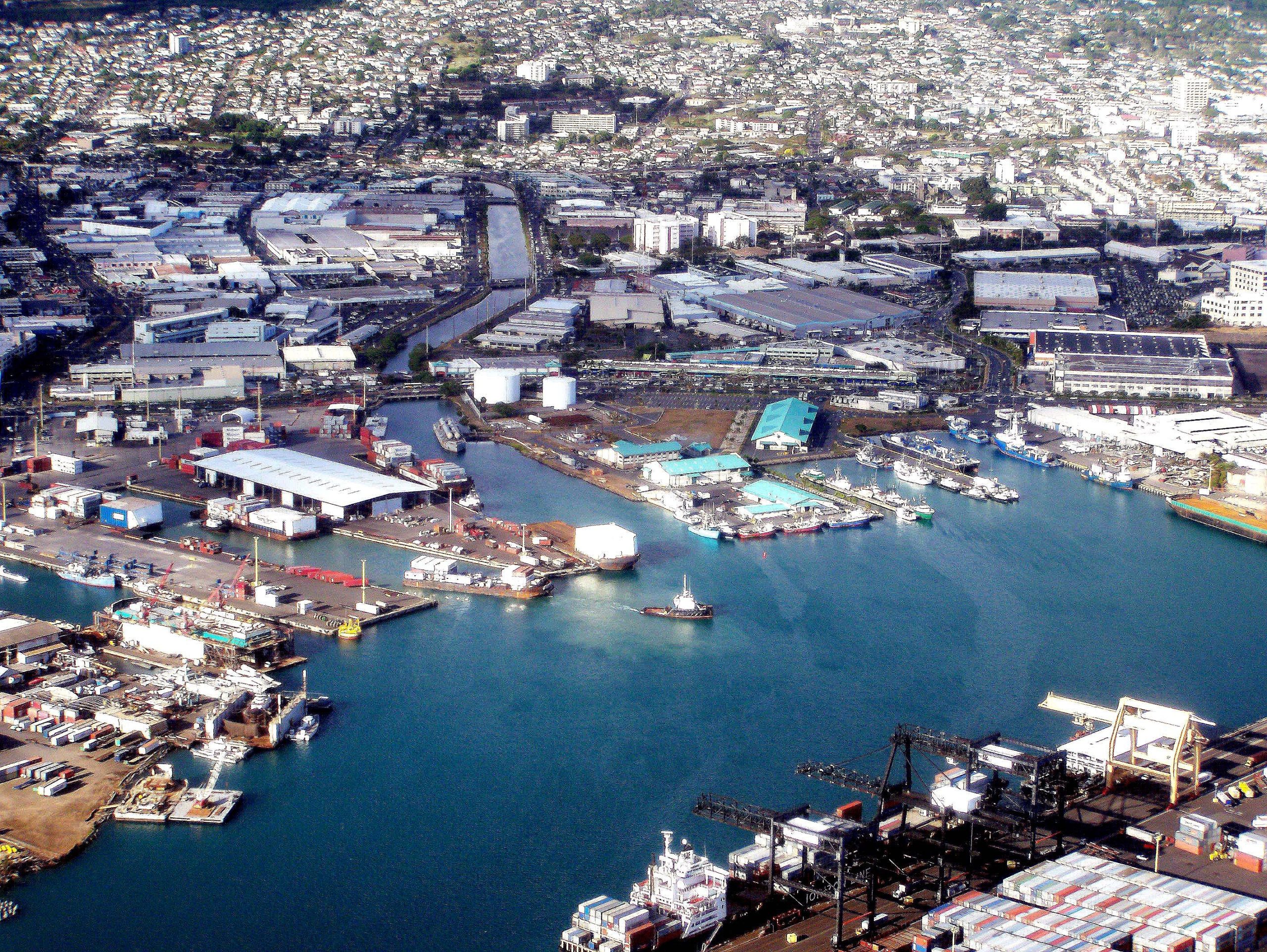
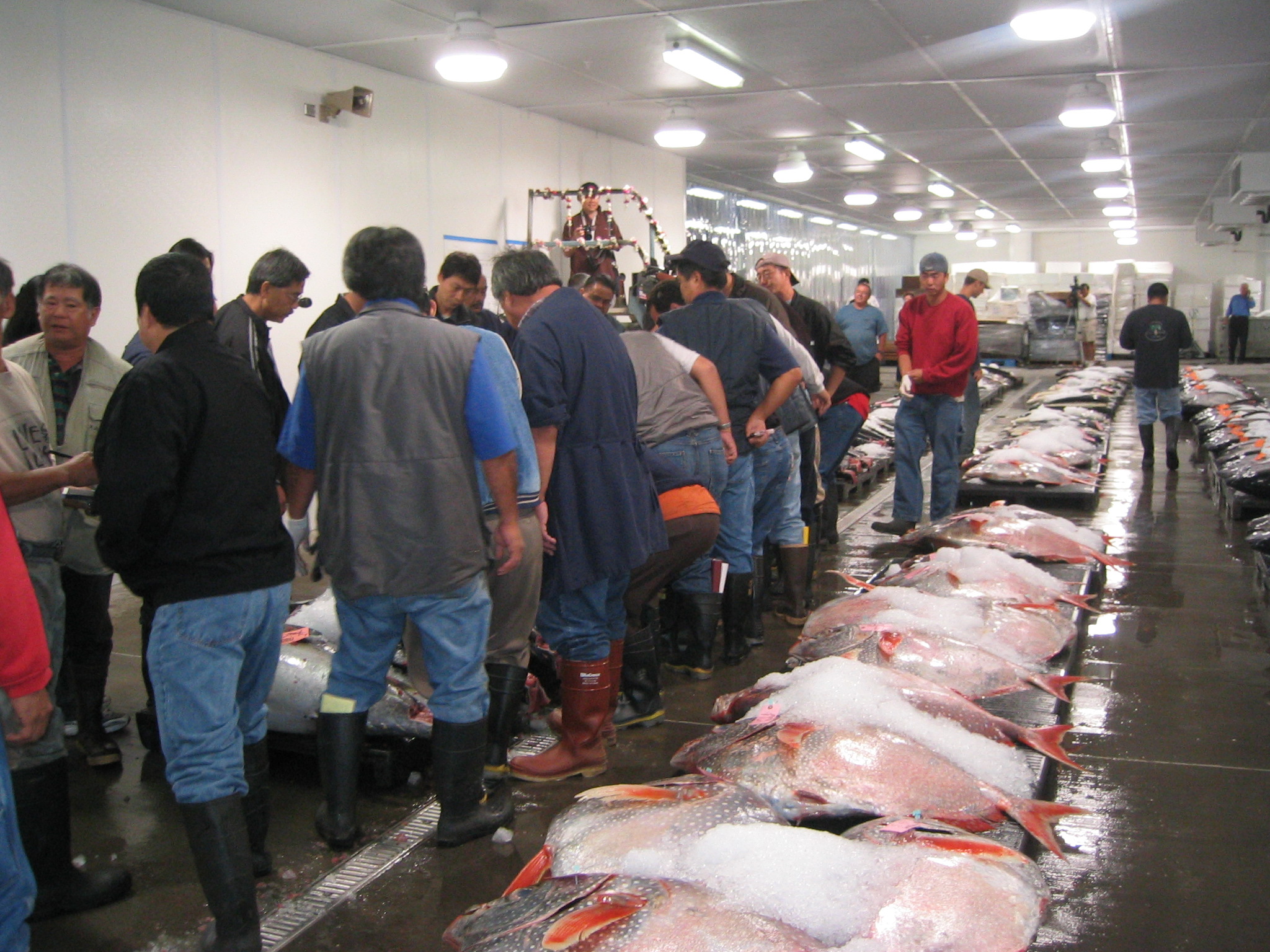
The Commercial Fishing Village at Pier 38 was developed by the State of Hawaii to provide a home port for the fishing and seafood industry. The fishing community based at Pier 38 is comprised of about 140 longline fishing vessels, the Honolulu Fish Auction (operated by the United Fishing Agency), seafood wholesale and retail companies, restaurants and supporting businesses.
Around the nation, fishing communities and working waterfronts that support them face similar threats, including the dominance of imported seafood in the US market, aging of the fleet, difficulty recruiting new generations of fishermen, and competing uses of waterfront property, among other issues that put America seafood producers at a disadvantage in the US seafood market.
Hawaii is an island state. Fishing is a vital island food system. Ocean fish is essential to the diet, health and well-being of island residents. The fishing community at Pier 38 in Honolulu Harbor is essential for improving local food self-sufficiency, food security and economic diversification for Hawaii.
John Kaneko (Hawaii Seafood Council)
COVID-19 impacts on the Fishing Community at Pier 38 Honolulu Harbor