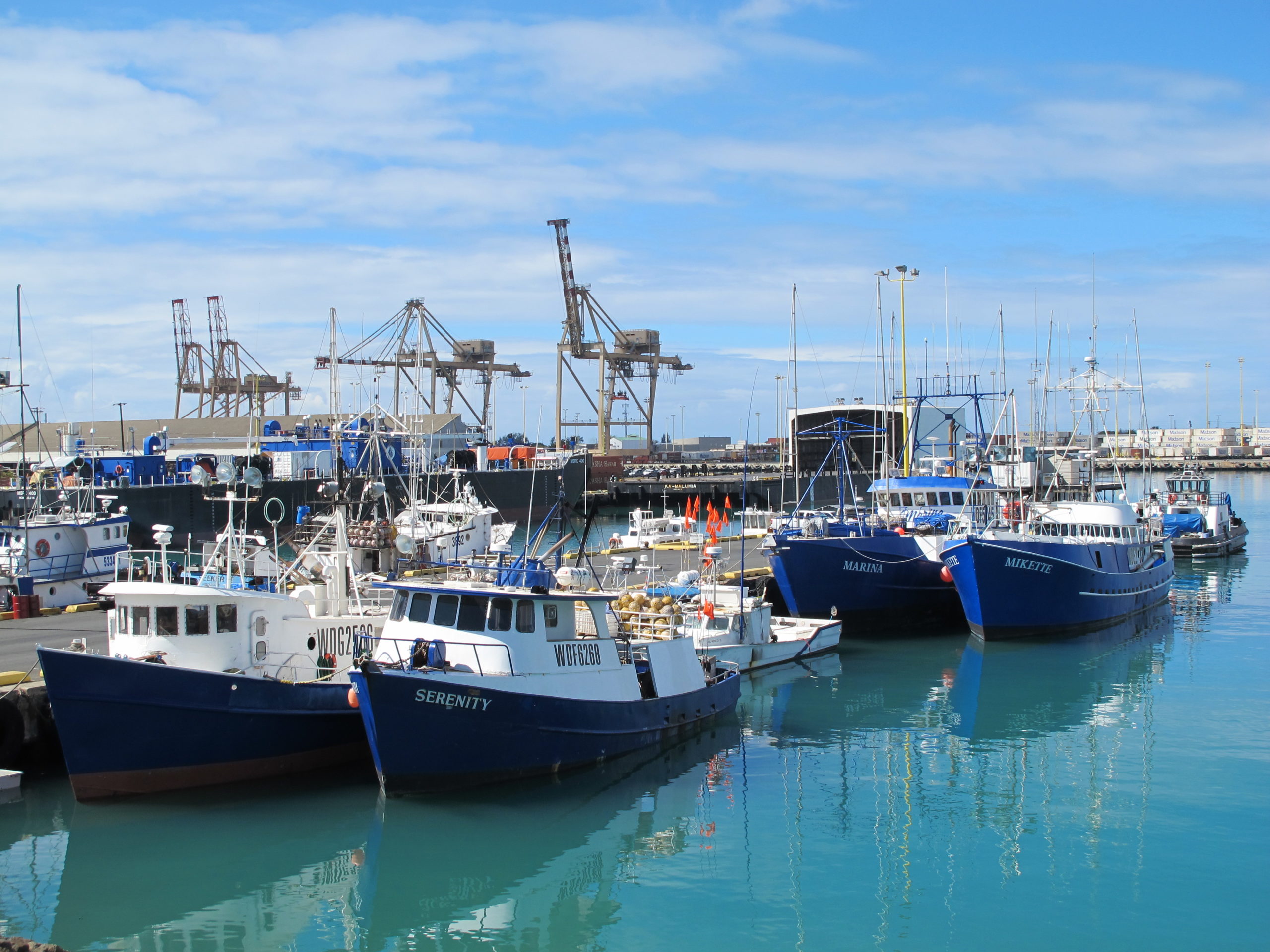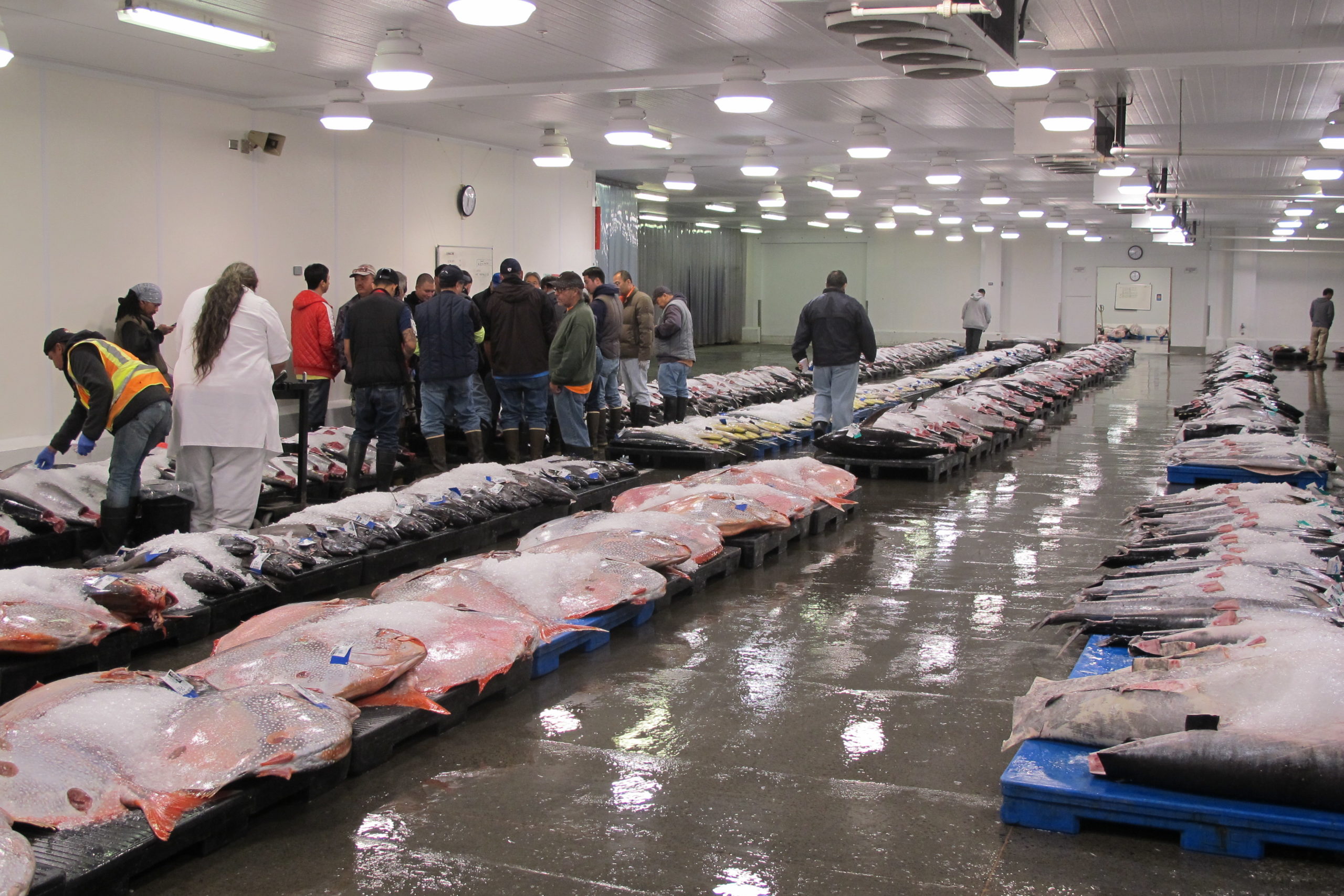
In mid-March 2020, the COVID-19 pandemic hit Hawaii’s primary fishing community hard. Market demand collapsed with the closure of restaurants and stay-at-home orders. Fish prices crashed by 80%. Many fishing vessels tied up to the dock to wait out the market disruption. The Honolulu Fish Auction dealt with the initial oversupply of fish, and since then has tried to carefully maintain and rebuild operations during the COVID pandemic. Wholesalers and retailers that depend on the fish auction for access to local fish landings had to balance the need for fish and a severely restricted, unstable and uncertain market.
This disruption caused the fishing community to work together to address COVID impacts. The Hawaii Longline Association, the United Fishing Agency and the Hawaii Seafood Council took the initiative to seek CARES Act funding relief to help the fishing community weather the COVID pandemic.
CARES Act funding administered through the City and County of Honolulu and the State of Hawaii Department of Business Economic Development and Tourism was applied to preserve this primary Hawaii food system with,
- Support for Fishing Vessels.
- Support for the Honolulu Fish Auction.
- Support for Wholesale Processors
- Support for the Hawaii Foodbank and Partner Agencies
- Local fish for People in Need.
Fishing Vessels
Support to fishing vessels helped to offset trip costs to keep fishermen working and supplying local fish to the local market. The Hawaii Longline Association (HLA) organized a program of vessel trip subsidies to encourage fishermen to keep fishing to supply the Hawaii market. Vessel support ranged from 15 to 20% of trip costs. This helped to reduce the economic risk for vessels to keep fishing. After the trip subsidies began, the number of vessels operating gradually increased as the market demand improved.
Fish Auction
The Honolulu Fish Auction (operated by the United Fishing Agency) is the central hub and interface for fishermen and the seafood market. It is essential for the fishermen and wholesale processors. Designated as an essential food business, the auction took immediate precautionary actions to control the spread of COVID-19. Support helped the Honolulu Fish Auction adapt its business operations to COVID-19, protect essential auction workers and fish buyers and continue its pivotal function for the Hawaii fishing and seafood industry. Public access and educational tours were immediately suspended. Masks and temperature checks were required for auction workers and fish buyers. Modifications were made to control airflow, filtration and sanitation. Vessel trip limits were self-imposed by the fishermen and the auction to balance daily fish supply with the fragile market demand to avoid a cycle of overproduction and price collapse.
Seafood Wholesale Processors
The Fish Purchase Order provided 5 pre-qualified wholesale processors with an equal share to help them keep their employees working and facilities operating during the greatly depressed restaurant market conditions during the COVID period in 2020. These 5 companies purchased, processed (filleted), packaged (5 lb. portions in oxygen permeable vacuum bags), boxed (100 lb. net wt.), labeled and delivered local fish fillets to the Hawaii Foodbank for further distribution.
Hawaii Foodbank and Partner Agencies
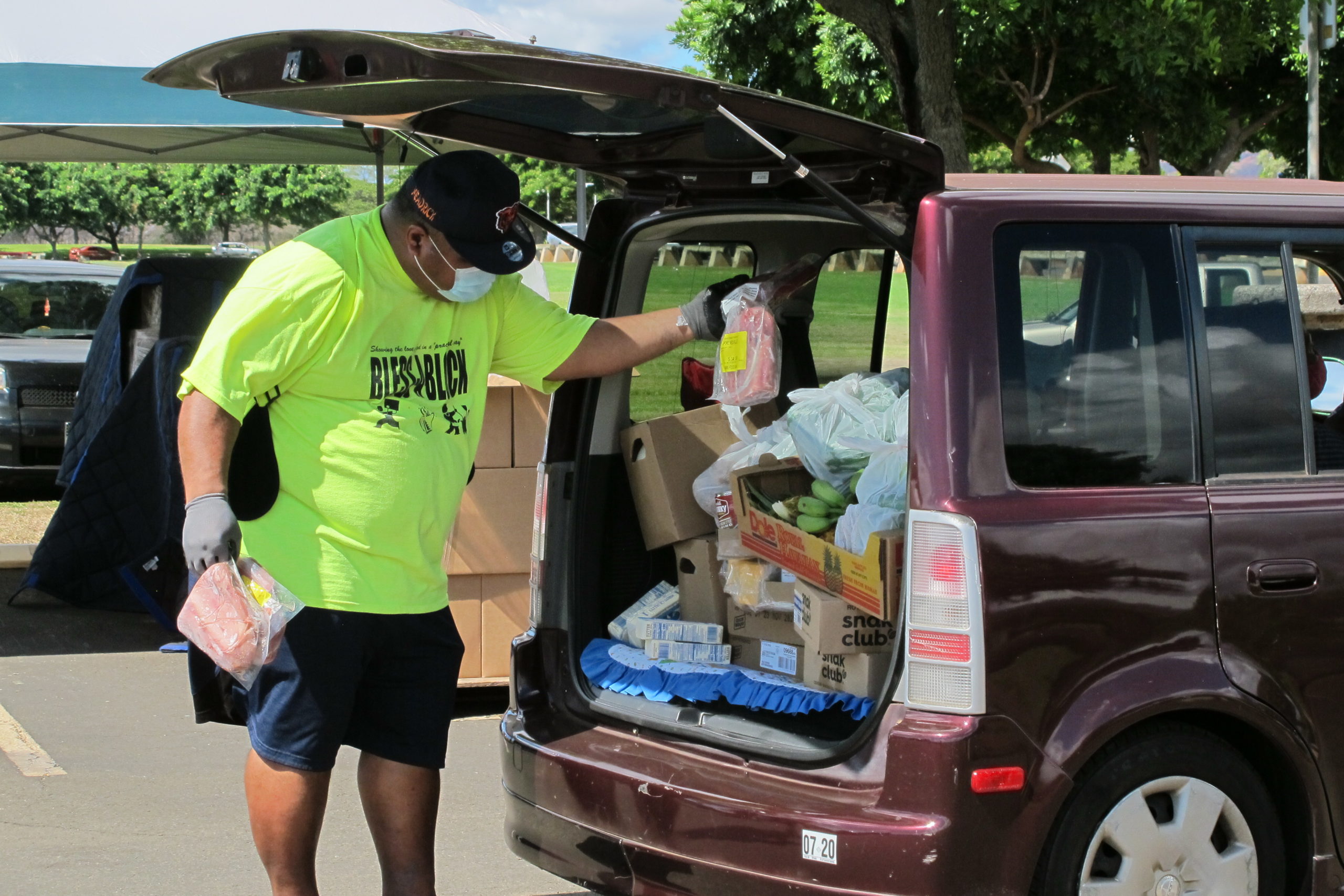
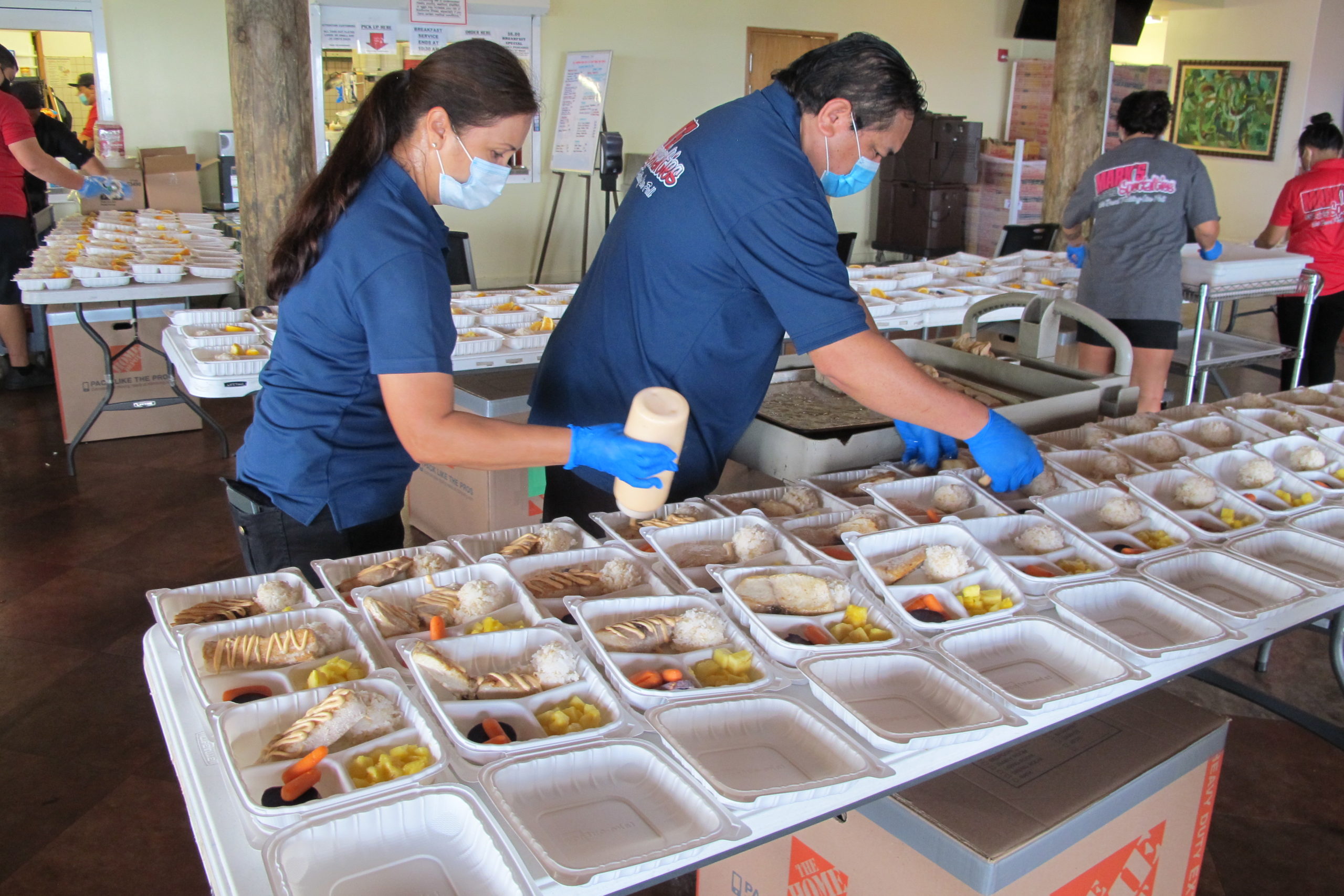
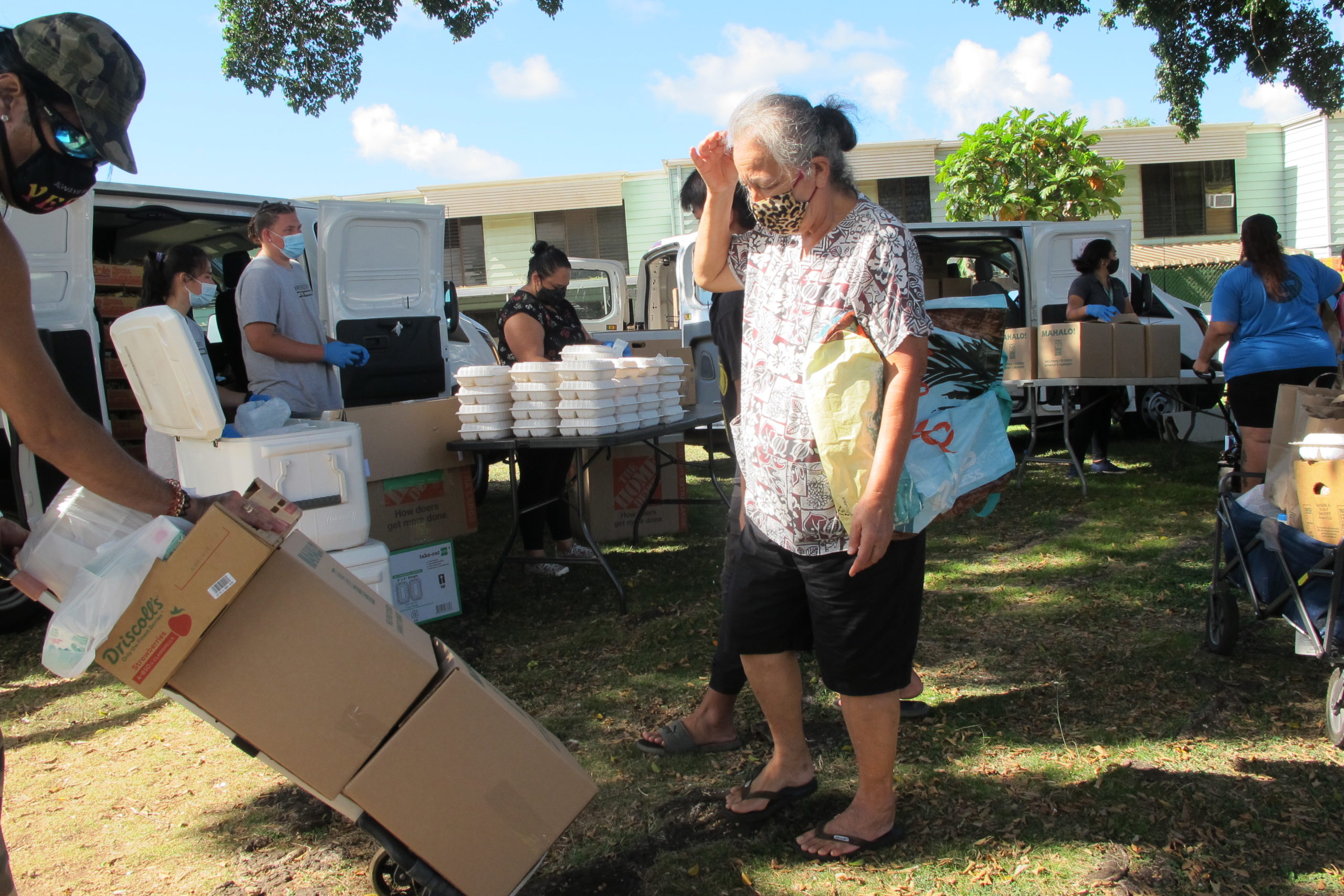
The 5 participating wholesale processors delivered local fish fillets to help meet the foodbank’s need for protein foods to distribute to food insecure households. Partner agencies either picked up their fish at the foodbank, or the foodbank delivered fish to them in refrigerated trucks. The Hawaii Foodbank and partner agencies distributed the fish to people in need through food drives, food pantries and meal distribution.
People in Need
The COVID pandemic has resulted in an unprecedented need for food assistance in Hawaii. The Hawaii Seafood Council (HSC) was tasked with developing a pilot community fish distribution program with the Hawaii Foodbank for people in need across the island of Oahu. This pilot program exceeded its goal of delivering over 110,000 lbs. of local fish fillets, enough for 350,000 servings to local families in need.
Conclusion
CARES Act funding support has helped sustain Hawaii’s vital fishing and seafood business infrastructure during the COVID pandemic in 2020. This effort supported the producers (fishermen), the fish auction, wholesale/processors, and the Hawaii Foodbank and its partner agencies in providing healthy, nutritious local fish to people in need of food assistance on Oahu. The control of and economic recovery from the COVID pandemic is in flux. Hawaii’s tourism dependent economy is expected to be depressed through at least 2021. The production and distribution of local fish for commerce and people in need will persist. Continued support and effort will be needed to improve Hawaii’s food self-sufficiency, economic diversification and food security during the COVID period.